
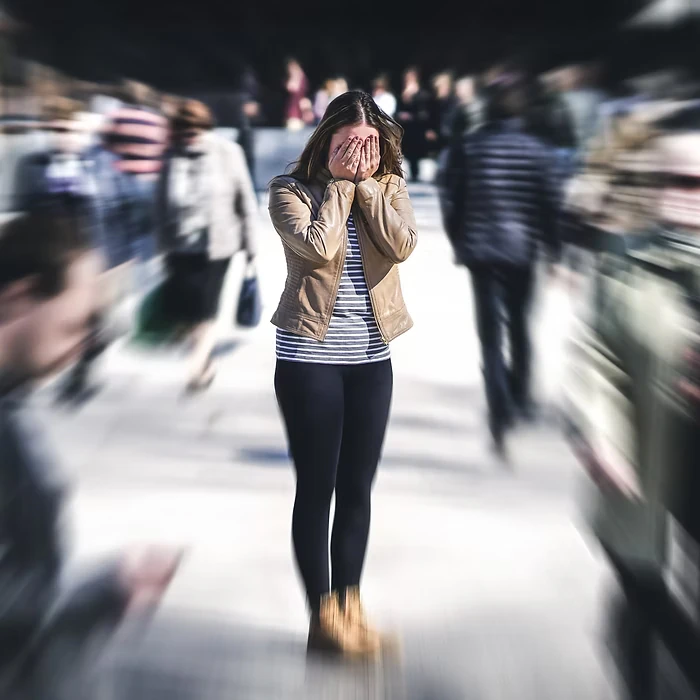
Anxiety feels different for everyone. Sometimes a person is overwhelmed by extremely negative thoughts that cause irritation or fear.
Being constantly apprehensive, afraid of something that has not yet happened and always hypervigilant is extremely tiring, both emotionally and physically.
That is why it is important to learn to deal with what you feel and identify what really helps you shift attention away from racing thoughts that are difficult to control. Recognising the first signs of an attack can help you learn to manage it before it escalates. This takes practice.
Physical symptoms are generally intense and may include chest tightness, muscle pain and/or numbness in the limbs. Alarmed, a person may believe they are having a heart attack, while medical tests show that they are physically healthy.
When anxiety manifests physically in this way, it can be difficult to recognise whether what you feel is related to anxiety or a sudden illness.
Below are some of the most typical symptoms of an anxiety attack.
- Rapid heartbeat
- Rapid breathing or shortness of breath
- Trembling
- Numbness
- Muscle tension
- Disturbed thoughts
- Excessive fear
- Worry
- Panic
- Sudden sense of danger or death;
- Cold hands and feet
- Nausea
Dealing with an attack is not easy, especially if it is your first experience. Some strategies may help ease the symptoms. Practising them can help you use them more effectively.
Breathe: Breathing is central both during an attack and to anxiety throughout the day. To ease distress and sudden fear, breathe slowly and more deeply in a quiet place where you have some privacy.
Assess your thoughts: Thoughts during an attack are intrusive, fast and difficult to control. There are ways to gain some control over negative thoughts. Try writing them on paper or on your phone. Look for positive alternatives and, if you feel comfortable, say how you are feeling out loud.
Change your focus: After assessing your thoughts and identifying the source of anxiety, change your focus. At first it may seem impossible, but it can be done. Walk slowly, call a friend, talk about something pleasant, make plans or grip an object firmly to release accumulated energy.
Move: Physical activity is very important in managing anxiety. During an attack, try to move, as this helps release tension.
Rest: After an attack, it is normal to feel calmer and relieved following a large surge of energy. Try to rest properly and avoid immediately returning to activity, as that acceleration can be harmful to your health.
In any case, if you feel intense fear and believe that only a hospital visit can help, go ahead.
If you still cannot identify the warning signs and do not understand why you feel constantly anxious, try sending me a message — I can help.