

Have you heard of pandemic fatigue?
The COVID-19 pandemic demanded, and continues to demand, from all of us a great capacity to adapt.
This adaptation involves new behaviours, new rules and changes to routines, even the simplest ones. One of the greatest difficulties is linked to uncertainty about when this crisis will end, as it has already lasted many months and its end remains hard to predict.
At this stage, it is therefore natural to feel less motivated to follow health guidance and protective behaviours after so many months of limitations, sacrifices and uncertainty.
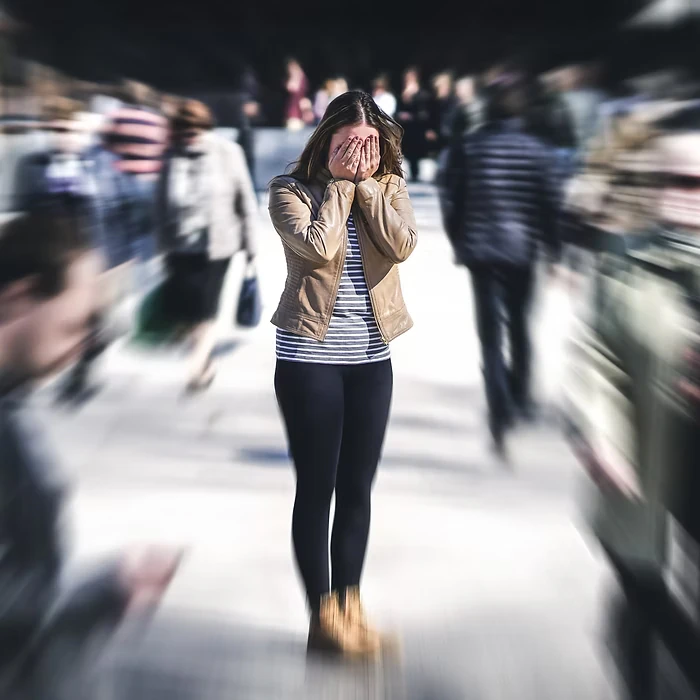
The pandemic also has an emotional impact, leading to growing levels of apathy. This warning came from the World Health Organization (WHO), which says “pandemic fatigue” may affect up to 60% of the population in some groups. The term “pandemic fatigue” therefore refers to a feeling of being overwhelmed, caused by constant vigilance and alertness, and of tiredness from the effort of following restrictions and changes to routine.
The pandemic's side effects are also devastating: unemployment, lost income or deteriorating living conditions. All this creates insecurity, fear and anxiety about the present and future, potentially worsening or leading to psychological health difficulties such as depression, anxiety or stress. Some estimates suggest that 20% to 30% of people may experience the pandemic's psychological impact.
It is therefore important to continue looking after your routine and seek activities that improve your well-being. However, if this crisis has affected your everyday life so much that you have lost the personal resources to regain emotional balance, you can count on our help. Seek the opinion of a healthcare professional and get the support you need. We can help.